
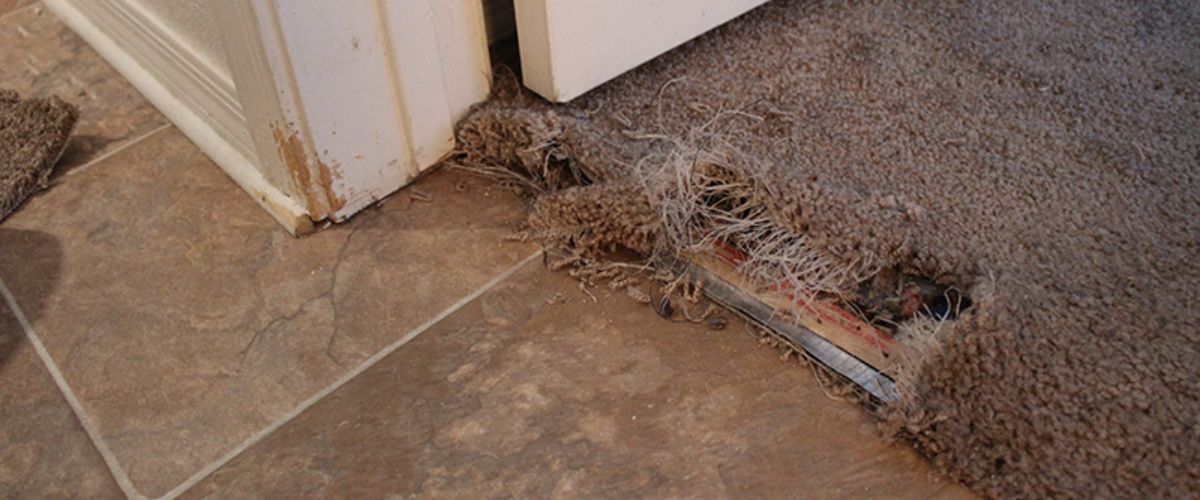
Flooding in your home can be a nightmare. Whether it’s caused by heavy rains, a burst pipe, or an unexpected appliance malfunction, the aftermath can leave your carpets soaked and your home in chaos. The good news? With quick action and the right approach, you can save your carpets and minimise damage.
Here are five essential tips of carpet cleaning to help you tackle this challenge effectively.
1. Prioritise Safety First
Before you begin, ensure your home is safe to enter. Turn off the electricity, especially in the affected areas, to avoid accidents. Wear protective gear like gloves and rubber boots to prevent exposure to contaminated water. Floodwater often carries dirt and contaminants, so take the necessary precautions to protect yourself.
Pro Tip: If the flooding is extensive, consult professionals for immediate help to prevent long-term damage.
2. Remove Excess Water Immediately
The longer water sits in your carpet, the more damage it will cause. Use a wet/dry vacuum to extract as much water as possible. If you don’t have one, you can use towels to soak up the moisture, though this method will take more effort.
For deeper flooding, consider renting industrial water extractors or hiring a professional cleaning service. They have the equipment and know-how to handle severe water damage effectively.
3. Dry the Carpets Thoroughly
Once you’ve removed excess water, focus on drying the carpets. Use fans, dehumidifiers, and open windows to improve airflow. This will speed up the drying process and help prevent mould growth.
If possible, lift the carpet to allow air to circulate underneath. Don’t forget the padding beneath the carpet—it absorbs a significant amount of water and may need to be replaced.
Pro Tip: Avoid using heat to dry carpets, as this can shrink or damage the fibres. Stick to cool, circulating air for the best results.
4. Clean the Carpets Thoroughly
After drying, it's essential to clean the carpets thoroughly to help remove dirt, residue and any potential mould spores. Use a high-quality carpet shampoo or a solution of water and mild detergent. Scrub gently and rinse thoroughly.
Alternatively, a professional cleaning service can ensure a deeper clean, using specialised treatments to restore your carpet to its original condition.
5. Monitor for Mould and Mildew
Even with prompt action, mould and mildew can develop in as little as 24-48 hours after flooding. Keep a close eye on your carpets and the surrounding areas. If you notice discolouration, dampness or visible mould growth, take immediate action.
Consider hiring professionals to assess and treat the affected areas. Mould can spread quickly, so it's better to address it sooner rather than later.
Why Choose Professional Carpet Cleaning Services?
While you can handle minor flooding on your own, severe cases often require professional help. Professional services have the tools and knowledge to make sure your carpets are thoroughly cleaned, dried and restored. They can also identify hidden damage and offer long-term solutions to prevent recurring issues.
Flooded carpets can feel overwhelming, but with these lifesaving tips, you’ll be better prepared to handle the situation. Remember, professional help is always available when you need it. Don’t let water damage linger—act fast and restore your home with confidence. Contact us for affordable carpet cleaning nearby and let us help you bring your space back to life!